
Paws on the Move: Your Friendly Guide to UK Pet Travel
We’re diving into traveling around the UK with pets, explaining rail, bus, and air policies in plain, friendly language so you can plan confidently and enjoy the journey together. Expect clear rules, operator nuances, gear tips, and calming strategies, plus real stories and pro tricks. Share your experiences in the comments, ask questions about tricky connections, and subscribe for fresh updates as policies evolve and new, pet-friendly routes and services appear across Britain.

Trains Without Turmoil: Navigating National Rail with Confidence
Trains are often the easiest way to move around Britain with animals, and knowing the rules transforms a stressful dash into a relaxed adventure. Most National Rail services allow up to two pets per passenger free, provided they are on a lead or in a secure carrier and never occupy a seat. Off‑peak hours, advance reservations, and a calm boarding routine help immensely. Policies can vary slightly by operator, so always double‑check before setting out.

City Buses and Intercity Coaches: Knowing When Pets Can Ride
Local buses can be wonderfully convenient, while intercity coaches present stricter boundaries. In many cities, drivers may decide whether non‑assistance animals board, so politeness and preparation go far. By contrast, major long‑distance coach brands commonly allow only assistance dogs, requiring alternatives like trains, pet‑friendly rideshares, or carefully planned car hire. Understanding these differences saves time, avoids disappointment, and helps you keep your companion comfortable, hydrated, and calm between busy stops or lengthy layovers.
Local buses and TfL realities
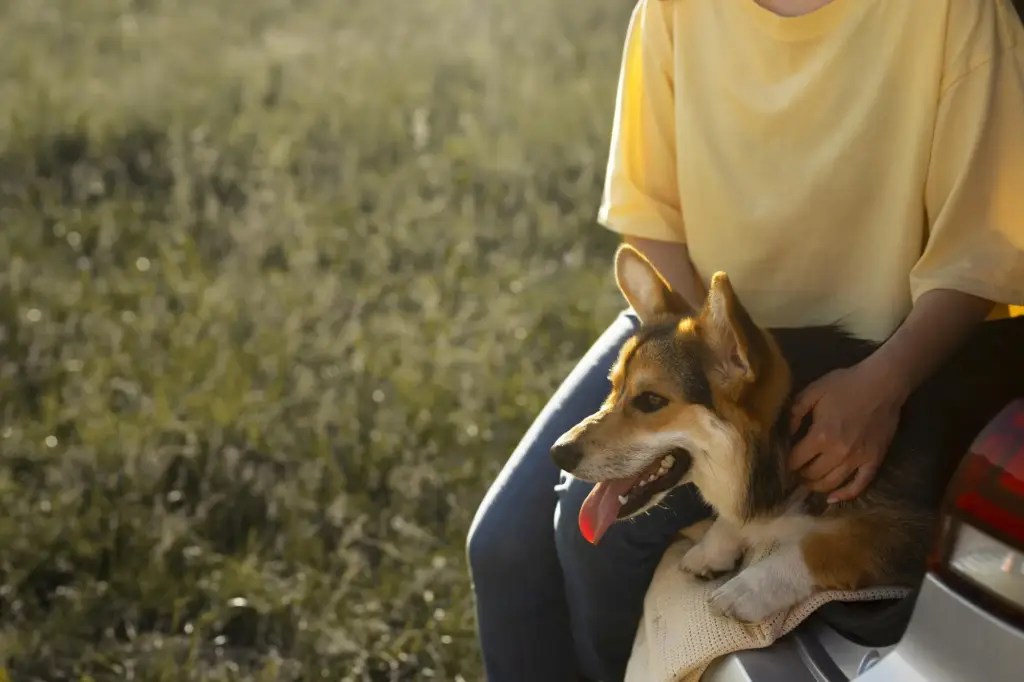
Across London and many UK cities, dogs can ride buses at the driver’s discretion, provided they are on a lead or in a carrier and do not occupy seats. Off‑peak travel, a clean blanket, and considerate spacing help. On Transport for London networks, dogs are also allowed on the Underground and Overground, but take lifts or carry your companion on escalators for safety. If unsure, politely ask the driver, showing your pet’s calm behavior and readiness.

National Express, Megabus, and long-distance choices
National Express and Megabus generally accept only registered assistance dogs, which means most pets cannot ride their coaches. This is crucial when planning intercity journeys where trains may be the better bet. If schedules conflict, consider splitting routes, combining local buses that permit pets with regional rail legs, or arranging a pet‑friendly taxi for final miles. Always confirm policies before booking, because exceptions are rare and drivers must prioritize safety, accessibility, and passenger comfort.

Backup plans when buses say no
When a driver declines boarding, remain calm and pivot quickly. Check nearby train times, rideshare options that welcome animals, or community transport services in rural areas. Keep a small emergency fund for pet‑friendly taxis and a printed list of local operators. A flexible itinerary with extra time prevents panic. Share your experience in the comments so others can learn which routes and times have been most welcoming, and encourage courteous, prepared travel for everyone’s benefit.
Taking to the Skies: What UK Flyers with Animals Should Expect
Air travel with pets in the UK brings unique constraints and important welfare considerations. Most UK airlines do not allow pets in the cabin, apart from registered assistance dogs, so many animals must travel as cargo with approved handlers and IATA‑compliant crates. Research airline partners, seasonal embargoes, and breed restrictions early. For international trips, factor in veterinary timelines, documentation, and acclimation. Above all, weigh necessity against comfort, considering alternative routes when shorter, quieter journeys are feasible.
Comfort Kit and Handling: Carriers, Leads, Water, and Cleanliness
Small, thoughtful choices make journeys smoother for everyone around you. A well‑fitted carrier, short lead, collapsible bowl, and biodegradable waste bags prevent friction and messes. Pack a towel for rainy platforms, a lightweight mat to define “home” on the floor, and high‑value treats for redirection. Consider a snug harness with ID tags, plus spare wipes for paws. These touches show respect for shared spaces and help your pet settle quickly even when crowds surge unexpectedly.
Measure nose‑to‑tail and floor‑to‑shoulder to select a carrier that allows standing, turning, and comfortable lying down. Ventilation, robust zips, and leak‑resistant bases matter. On trains, choose compact footprints that fit under seats or at your feet. For flights, follow IATA standards and airline specifics precisely. Familiarize your pet gradually, pairing the carrier with calm rituals like chew time or gentle stroking, so it becomes a cozy den rather than a stressful box.
A short, sturdy lead avoids tangles near doors and luggage racks. Practice a reliable “heel” and “wait” to navigate tight aisles gracefully. Keep pets off seats, providing a blanket or mat on the floor to define boundaries. Offer neighbors reassurance with a smile and readiness to move if someone is anxious or allergic. If your companion is vocal, choose a quieter corner or vestibule, and reward calm behavior during announcements, bustling boarding waves, and sudden braking.
Bring water, a collapsible bowl, waste bags, a compact towel, wipes, spare lead, and a small first‑aid kit with gauze, saline, and tweezers. Add familiar bedding, a chew, and training treats. Carry printed vet records and essential medications, stored in a waterproof pouch. A portable mat signals rest time anywhere, while reflective gear improves safety on dark platforms. Keep everything reachable in one bag so you can respond quickly when crowds shift or plans change.

Shared-Space Etiquette, Training, and Safety
Travel is a partnership built on courtesy and preparedness. A few calm behaviors make public journeys enjoyable: loose‑lead walking, quiet settling, and polite greetings on cue. Schedule toilet breaks, watch for overstimulation, and create breathing room during boarding rushes. Give priority to assistance dogs and passengers with mobility devices or prams. When accidents happen, clean up promptly and thank staff. Your example helps normalize considerate, animal‑friendly travel and encourages operators to preserve welcoming policies.

Regional Nuances, Ferries, and Scenic Detours
Rules align broadly across Britain, yet local details shape real journeys. London offers extensive networks with practical escalator cautions. Scotland’s long distances invite sleeper trains and island ferries, while Wales and rural England sometimes rely on flexible mixes of buses and rail. Ferries can offer kennels or pet‑friendly cabins on popular crossings. Always verify operator updates, reserve where required, and add time for breathtaking walks that turn transfers into highlights, not hassles. Share your discoveries below.
All Rights Reserved.